

Ilm-fan muammolari magistrantlar talqinida
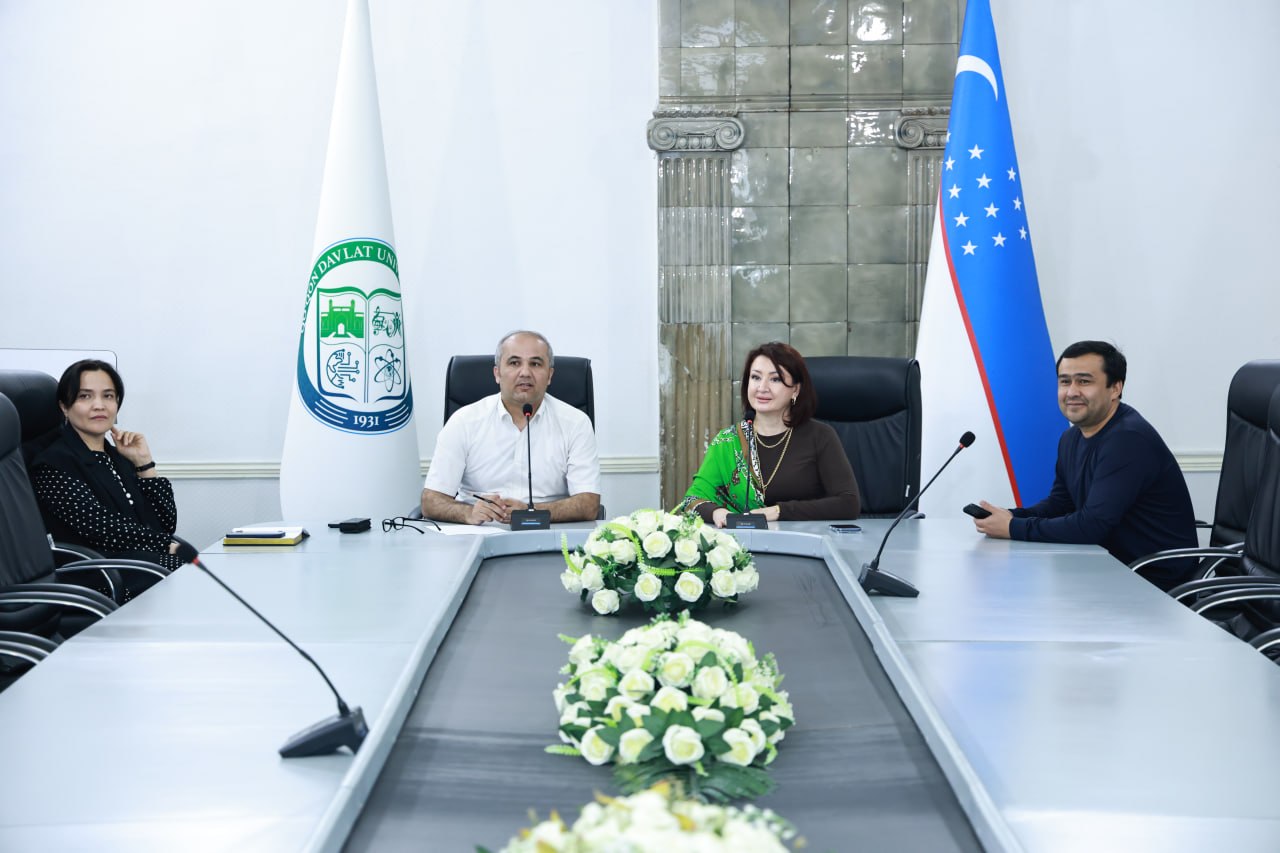
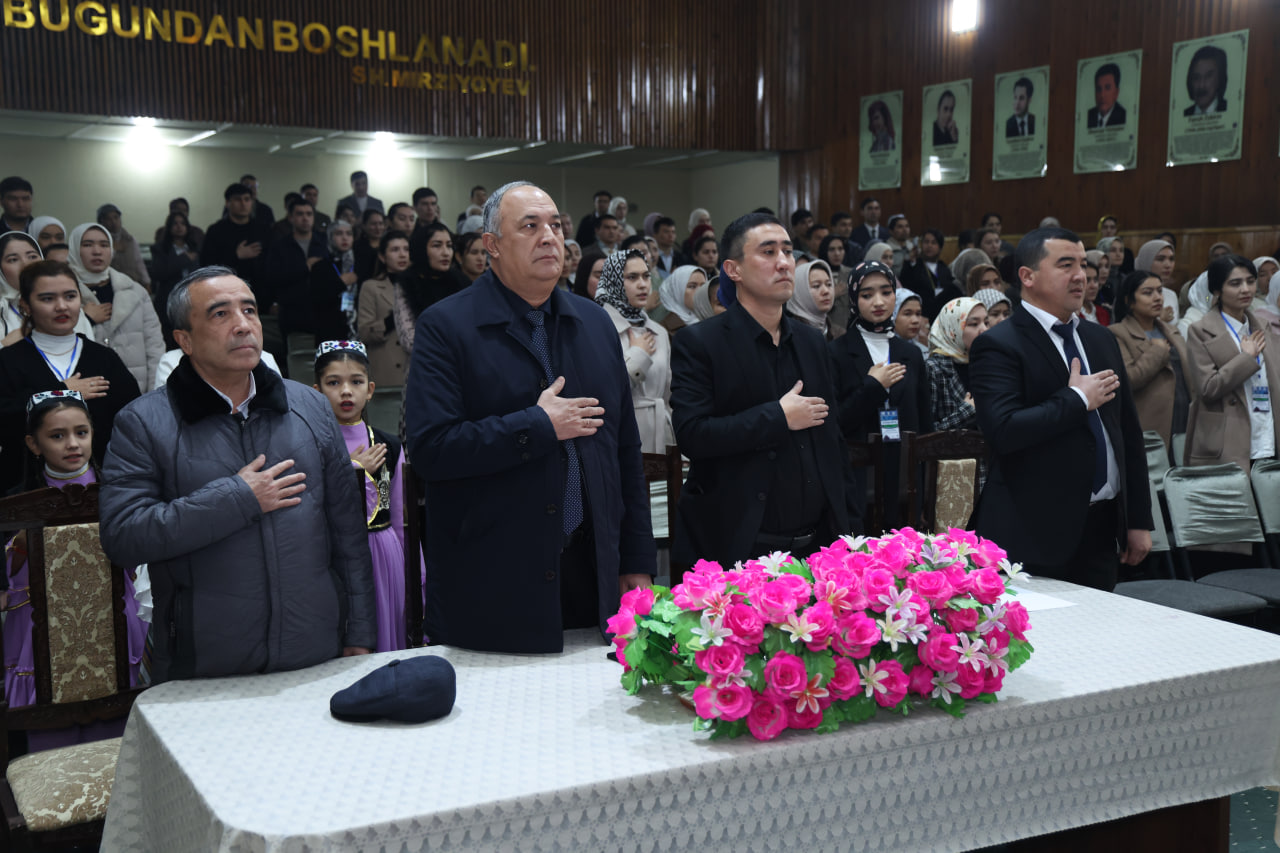
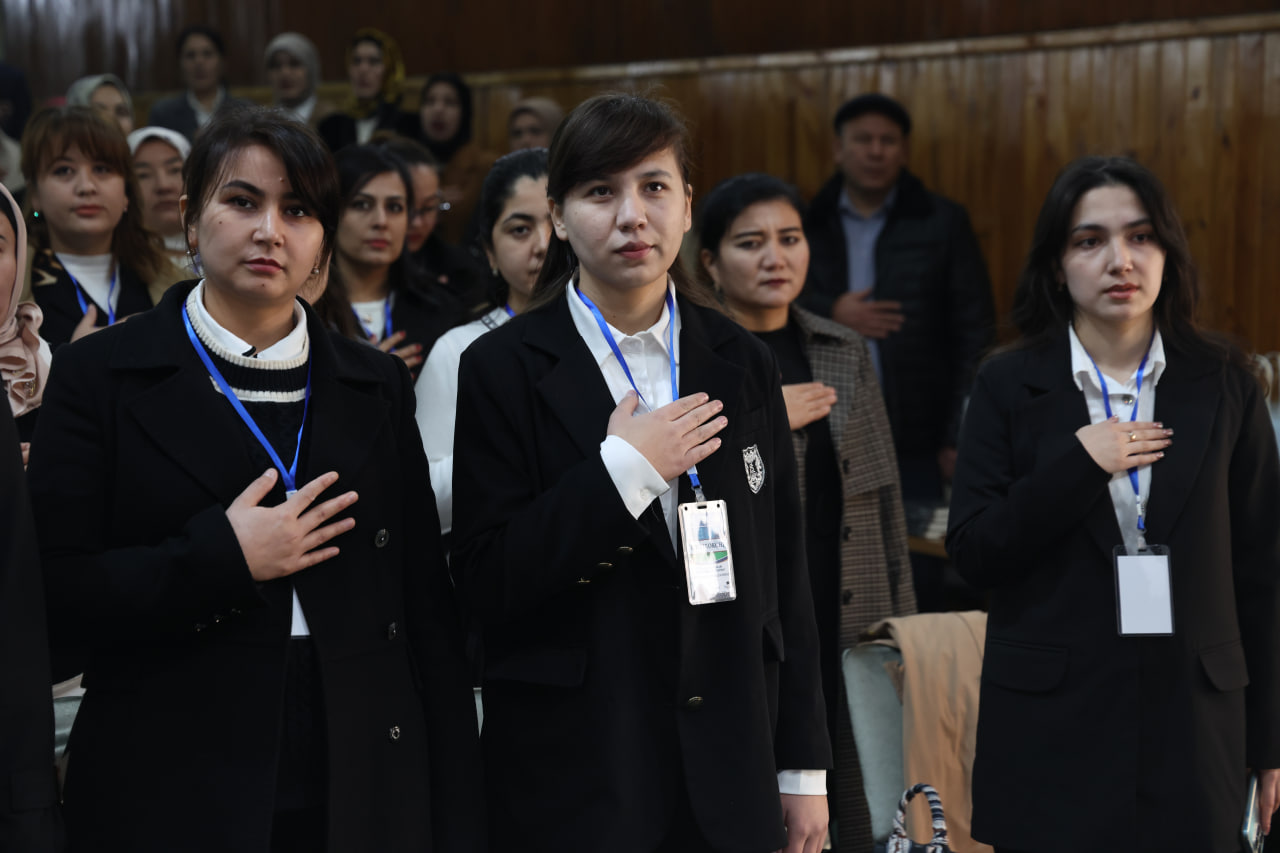
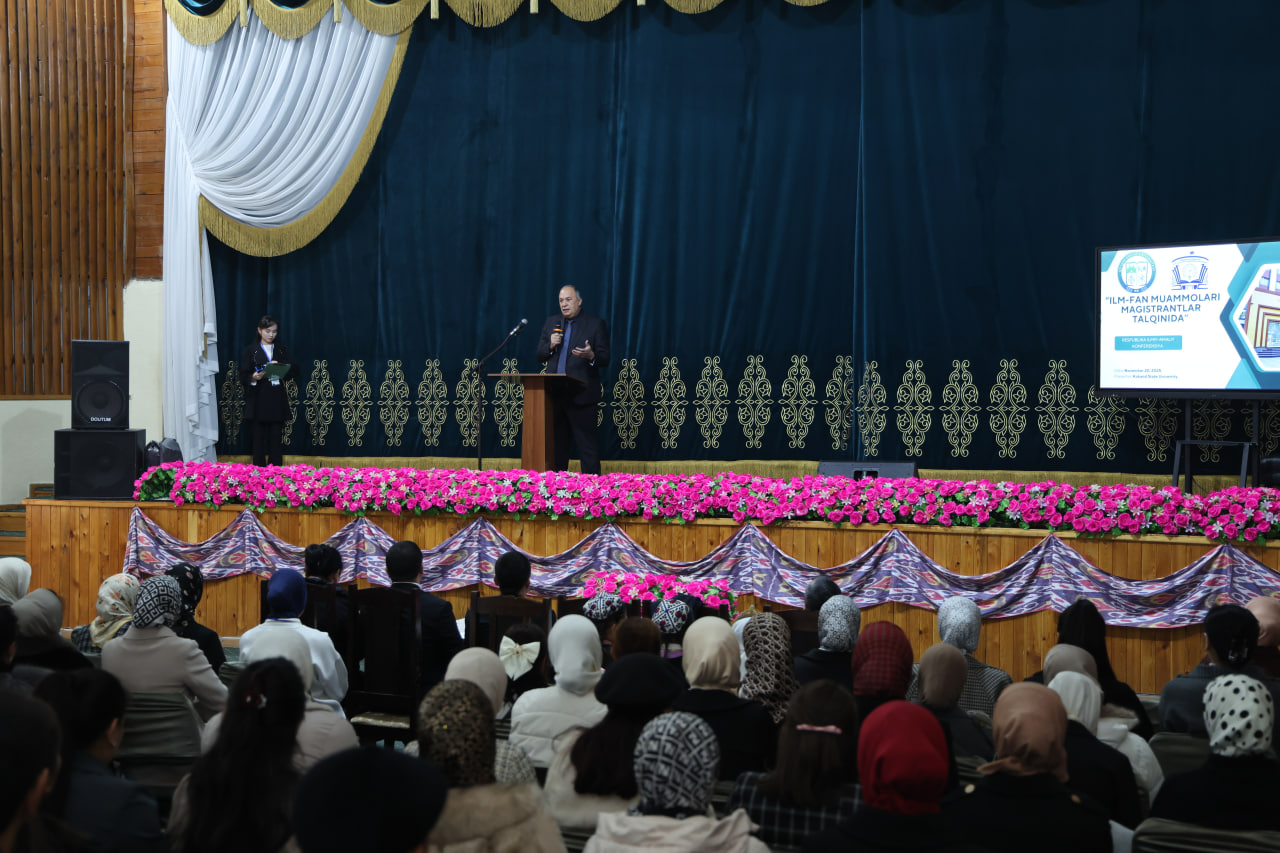
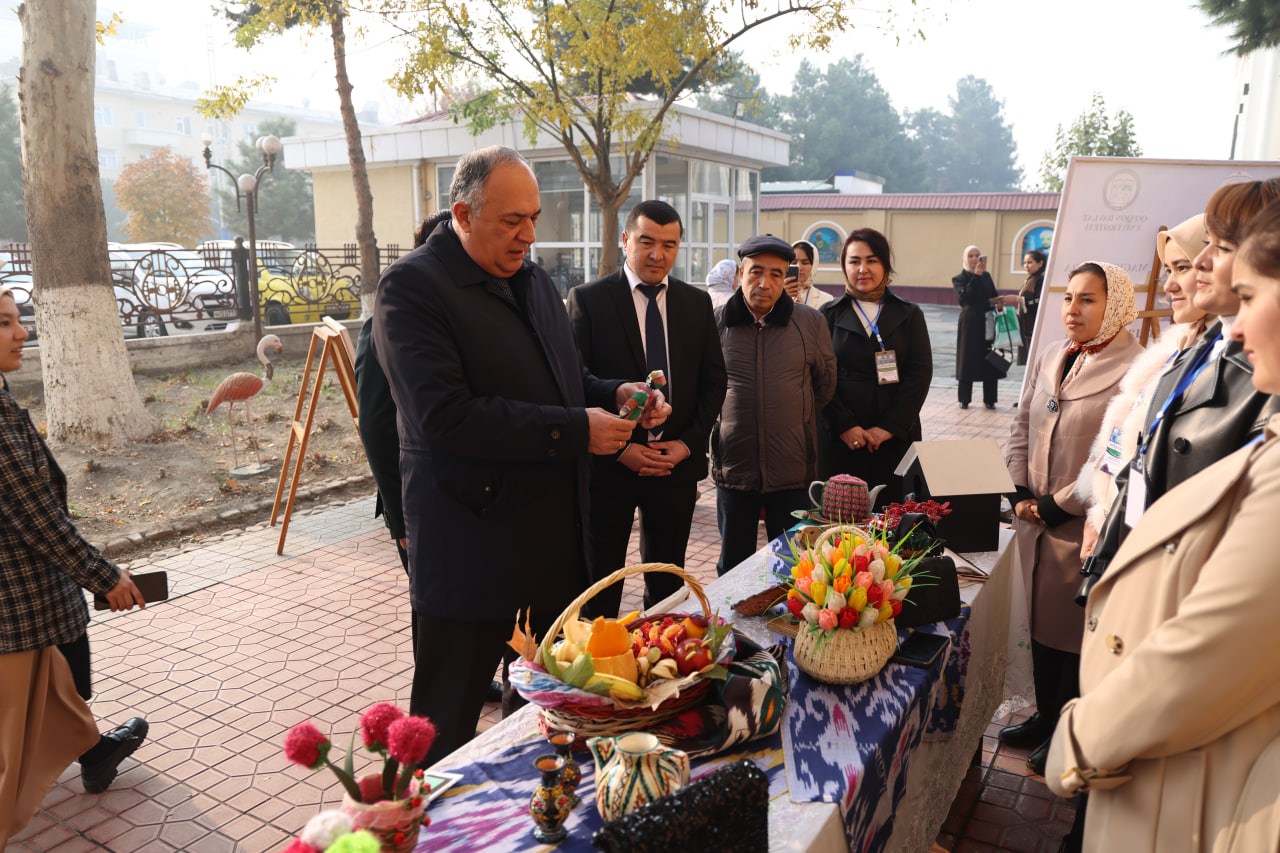
Bugun Qo‘qon davlat universitetida “Science and Technology” respublika ilmiy jurnali bilan hamkorlikda “Ilm-fan muammolari magistrantlar talqinida” mavzusida respublika ilmiy-amaliy konferensiyasi o‘tkazildi. Mazkur ilmiy anjuman mamlakatimiz oliy ta’lim muassasalarida tahsil olayotgan magistrantlarning turli yo‘nalishlardagi ilmiy izlanishlari, erishayotgan natijalari, ta’lim tizimi hamda ishlab chiqarish sohalariga tatbiq etilishi mumkin bo‘lgan ilg‘or g‘oyalari va tajribalarini keng yoritish, ilmiy muhokama qilishga xizmat qildi.
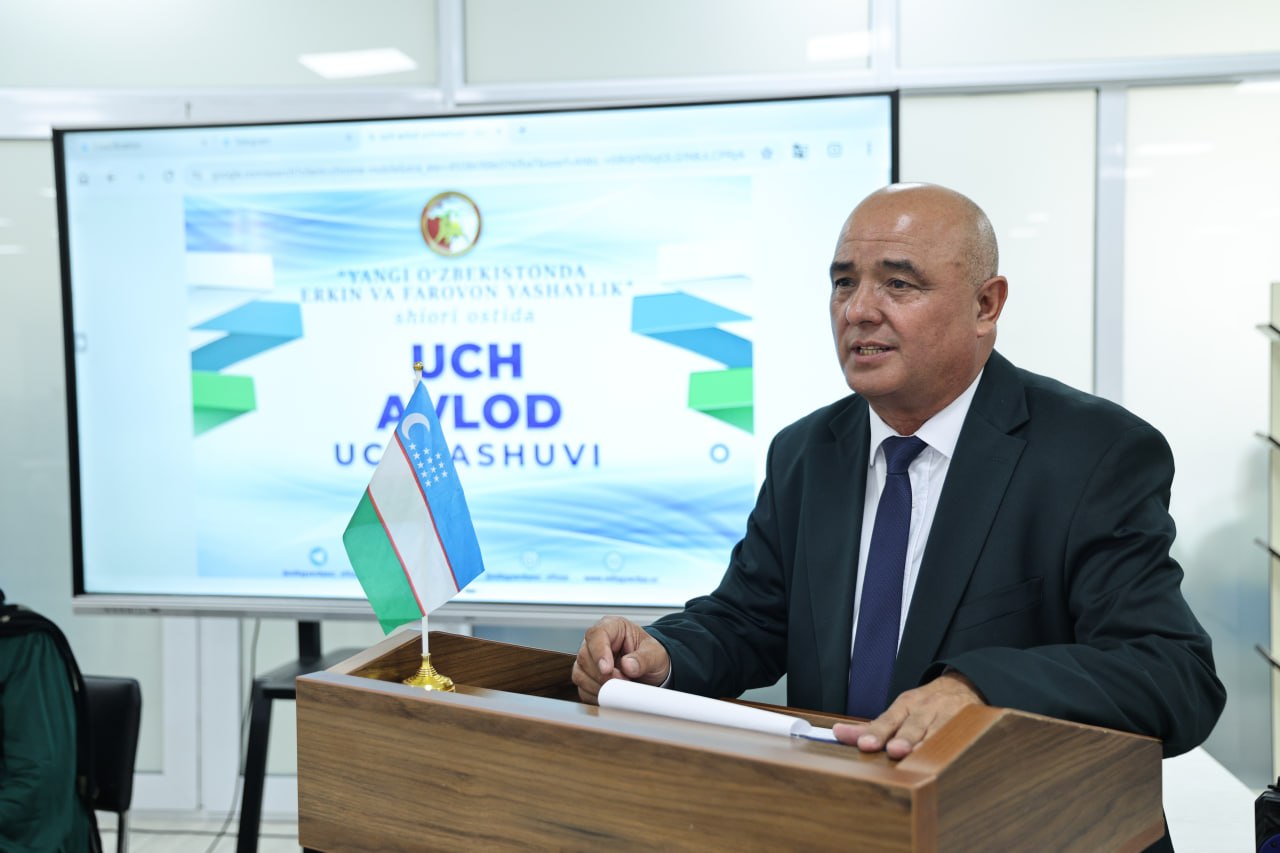
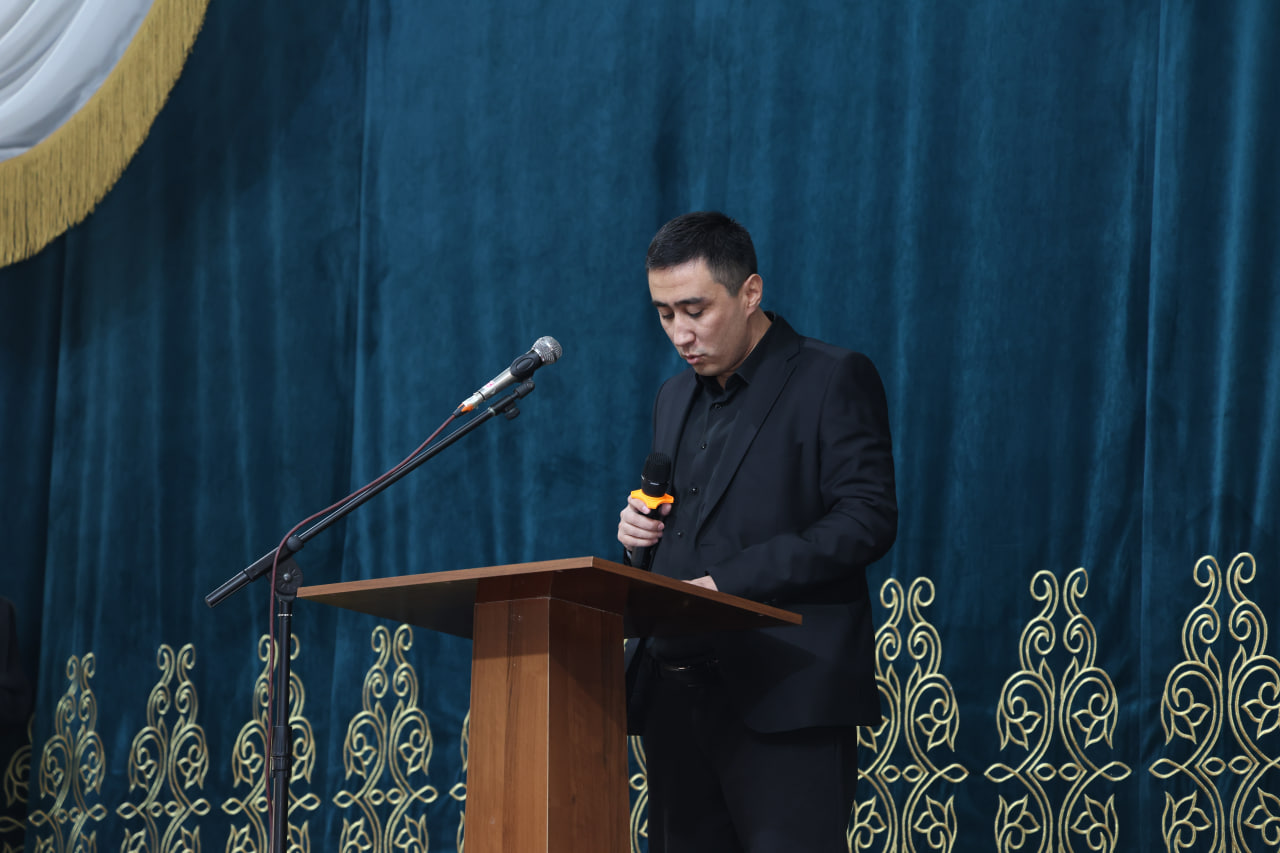
Tadbirning ochilish qismida Qo‘qon davlat universiteti birinchi prorektori Ahmadjon Husanov so‘zga chiqib, magistrantlarning ilmiy salohiyati bugungi kunda ta’lim va ishlab chiqarish integratsiyasini kuchaytirishda muhim o‘rin tutayotganini ta’kidladi. U zamonaviy ilm-fan taraqqiyoti jarayonida yosh tadqiqotchilarning ijodiy qarashlari, ilmiy tahlilga asoslangan taklif va g‘oyalari istiqbolli loyihalarni shakllantirishda alohida ahamiyatga ega ekanini qayd etdi.
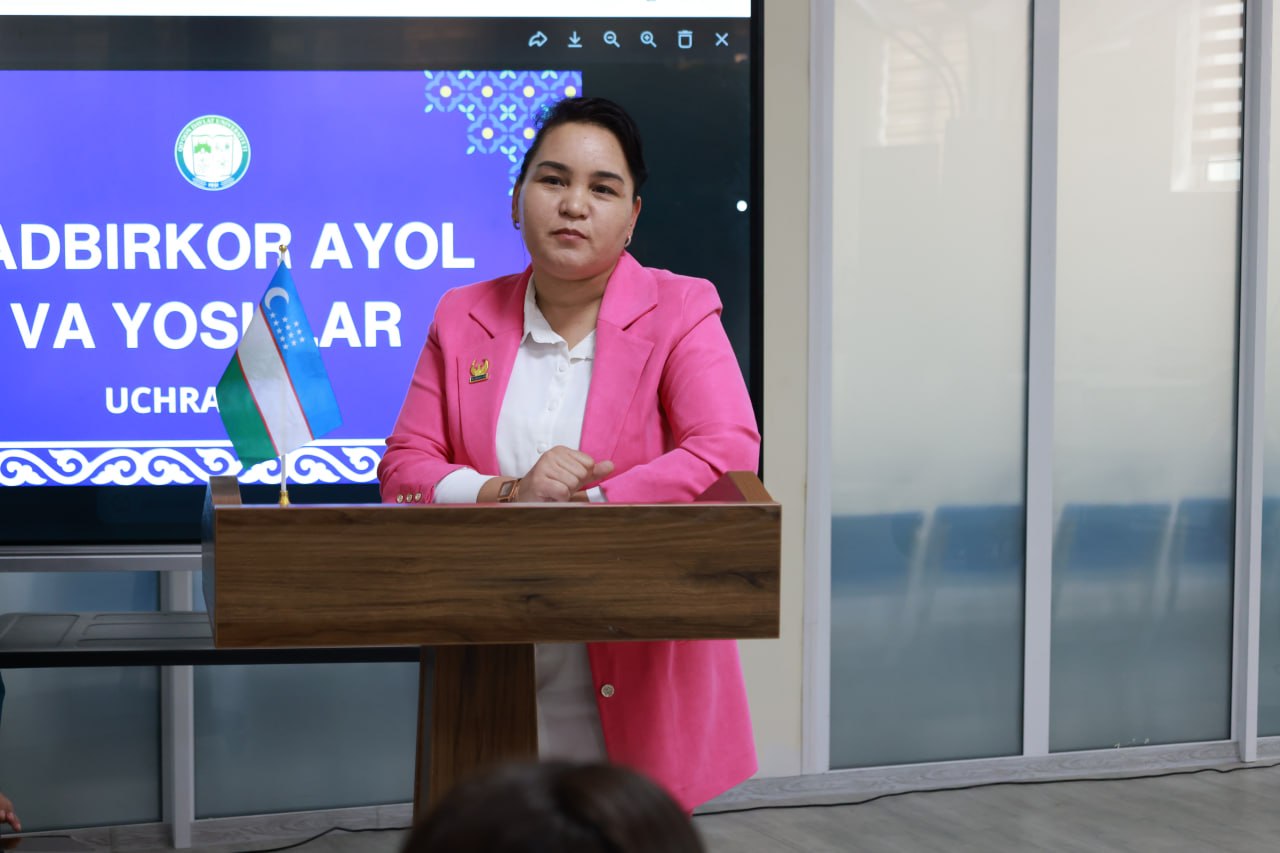
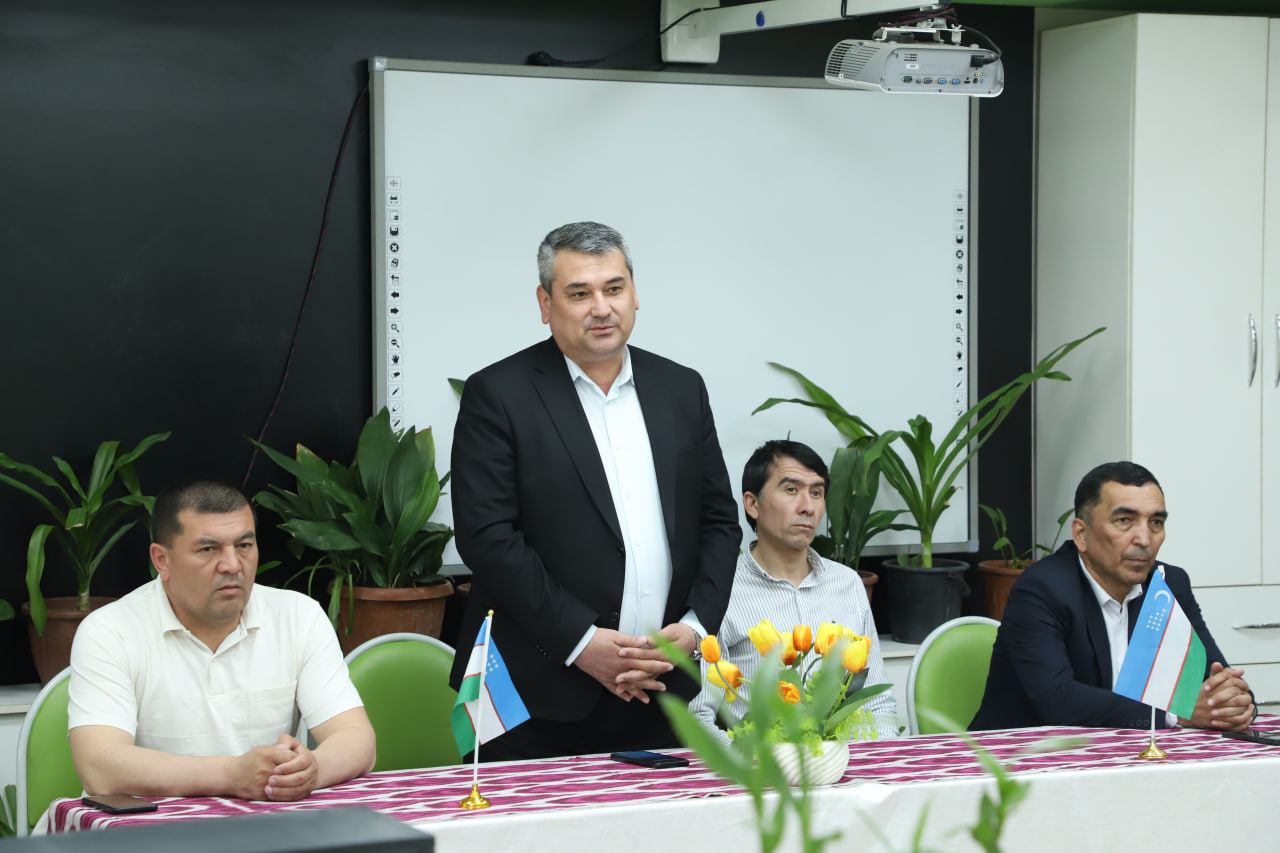
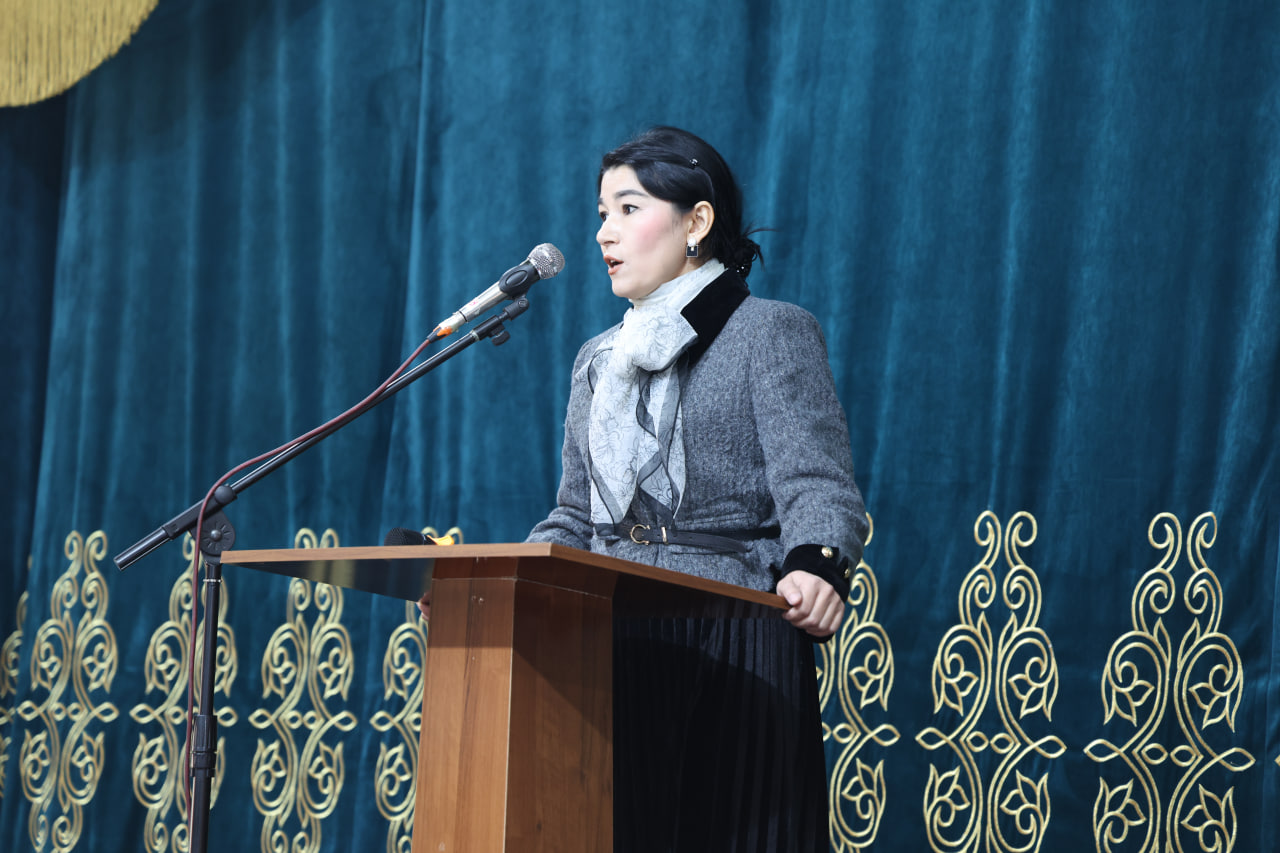
Konferensiya ishida so‘zga chiqqanlar ilm-fan taraqqiyoti, innovatsion izlanishlarga bo‘lgan ehtiyoj va magistrantlarning ilmiy salohiyatini qo‘llab-quvvatlash masalalariga alohida to‘xtaldi.
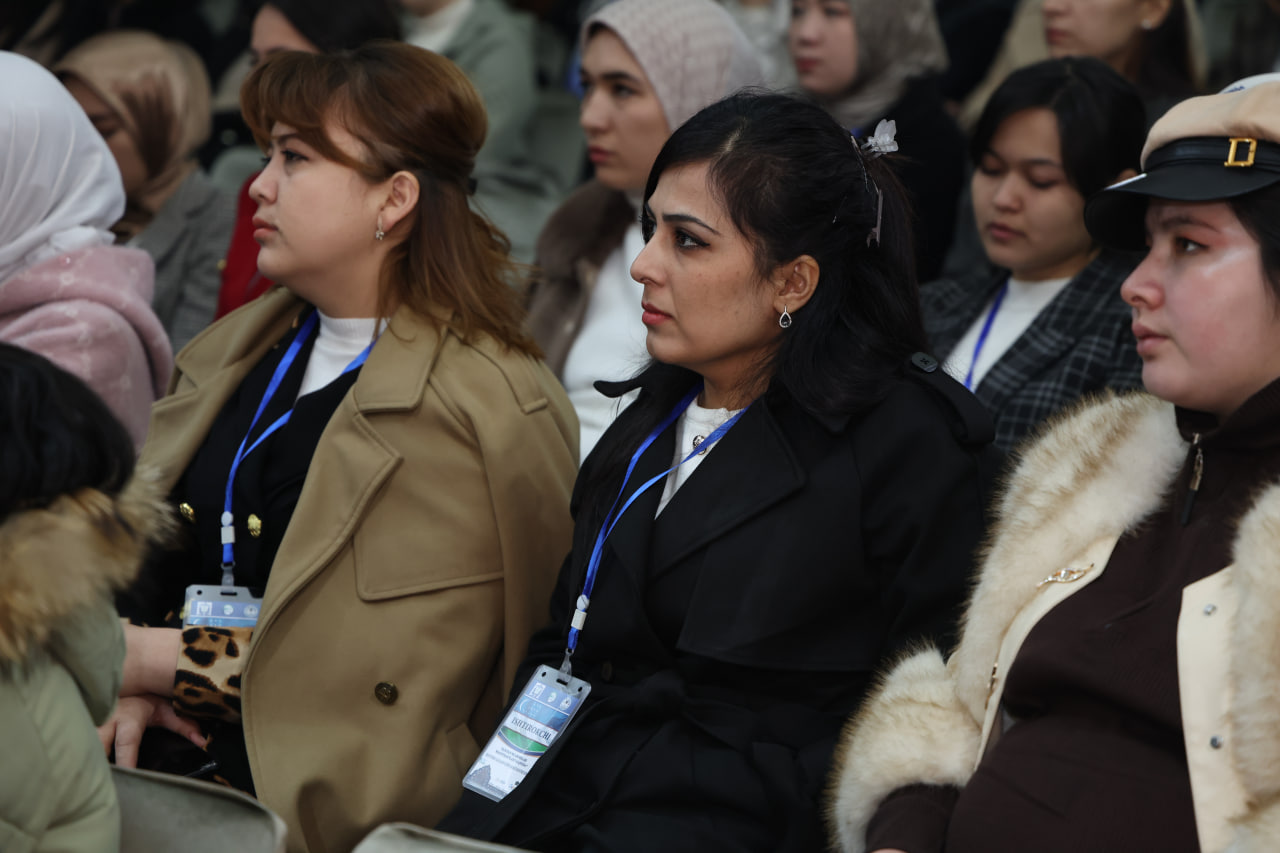
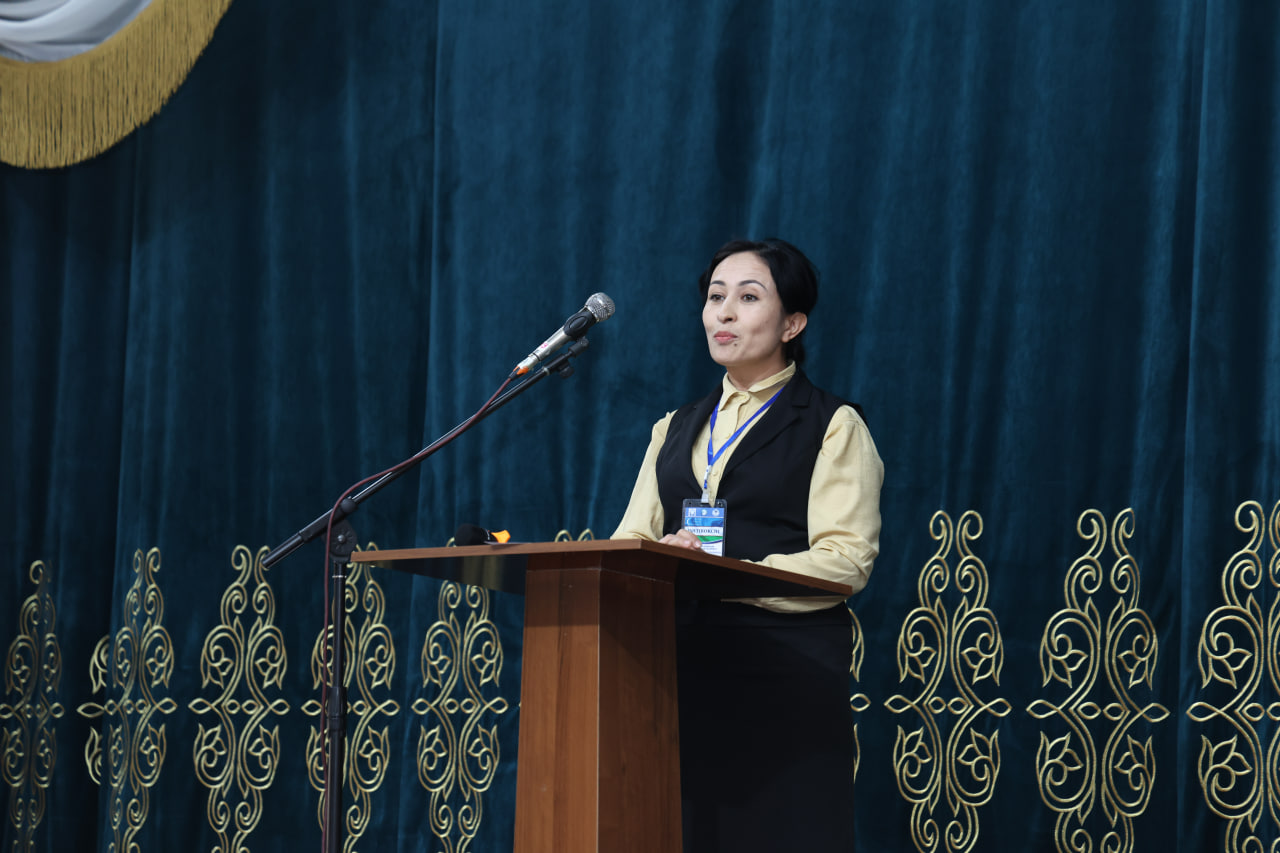
Konferensiya doirasida mamlakatning turli hududlaridan kelgan magistrantlar o‘z ilmiy ishlanmalari, tadqiqot natijalari va metodik takliflarini taqdim etdi. Ishtirokchilar ta’lim tizimiga zamonaviy yondashuvlarni joriy etish, fanlar kesimida uchrayotgan dolzarb muammolarni hal etish bo‘yicha fikr almashdi hamda kelgusida amalga oshirilishi lozim bo‘lgan ilmiy hamkorlik yo‘nalishlarini belgilab oldi.
Konferensiya 7ta sho‘ba bo‘yicha faoliyat olib bordi. Har bir sho‘bada magistrantlarning mustaqil ilmiy qarashlari, yangi g‘oyalari, ilmiy-amaliy takliflari tinglandi. Mutaxassislar tomonidan ularning tadqiqot ishlari yuzasidan tavsiyalar ham berildi. Konferensiya yakunida eng dolzarb, istiqbolli ilmiy ishlanmalar alohida e’tirof etildi.
Qo‘qon davlat universitetida o‘tkazilgan ushbu ilmiy-amaliy anjuman magistrantlar ilmiy salohiyatini ro‘yobga chiqarish, innovatsion g‘oyalarni amaliyotga tatbiq etish hamda respublika miqyosida ilmiy hamkorlikni mustahkamlashga xizmat qildi.